

Discover expert-backed articles, inspiring stories, and exclusive features in our fully interactive online edition.
Weight Gain and Menopause: What Every Woman Should Know
125
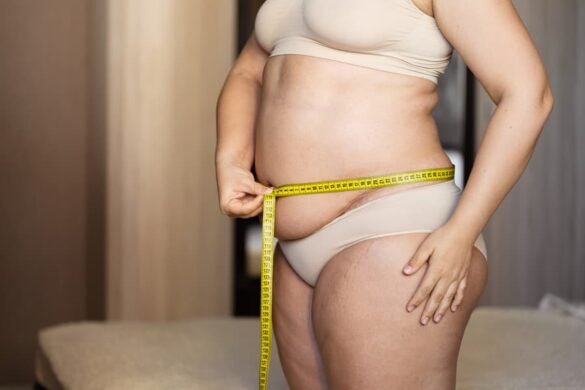
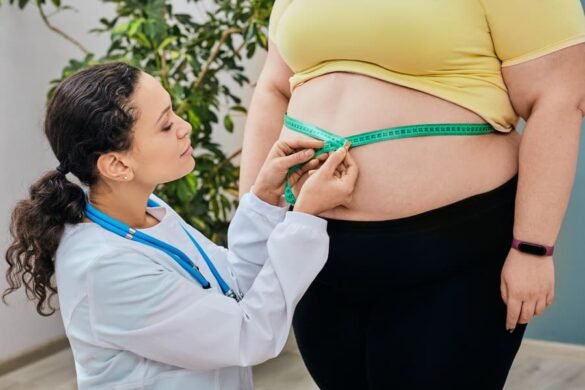
Menopause is a natural stage in a woman’s life, but it often comes with many concerns. One of the most common worries is weight gain. This concern is not just about appearance—it’s closely linked to health risks such as obesity and metabolic syndrome.
Research shows that obesity and metabolic syndrome occur in women during menopause up to three times more often than before menopause. This makes understanding the link between menopause and weight gain essential for long-term health.
⚖️ Is Weight Gain During Menopause Inevitable?
Many women wonder:
-
Is obesity directly caused by menopause?
-
Is hormone therapy to blame?
-
Or is it a result of lifestyle factors such as diet and physical activity?
The truth is, weight gain during menopause is common, but not completely unavoidable. It results from a combination of:
-
Hormonal changes
-
Ageing
-
Lifestyle factors (unhealthy diet, lack of physical activity)
-
Genetics
-
Certain illnesses and medications
Understanding these factors can help you make informed choices to manage your weight and protect your health.
🔥 Menopause Symptoms and Metabolic Changes
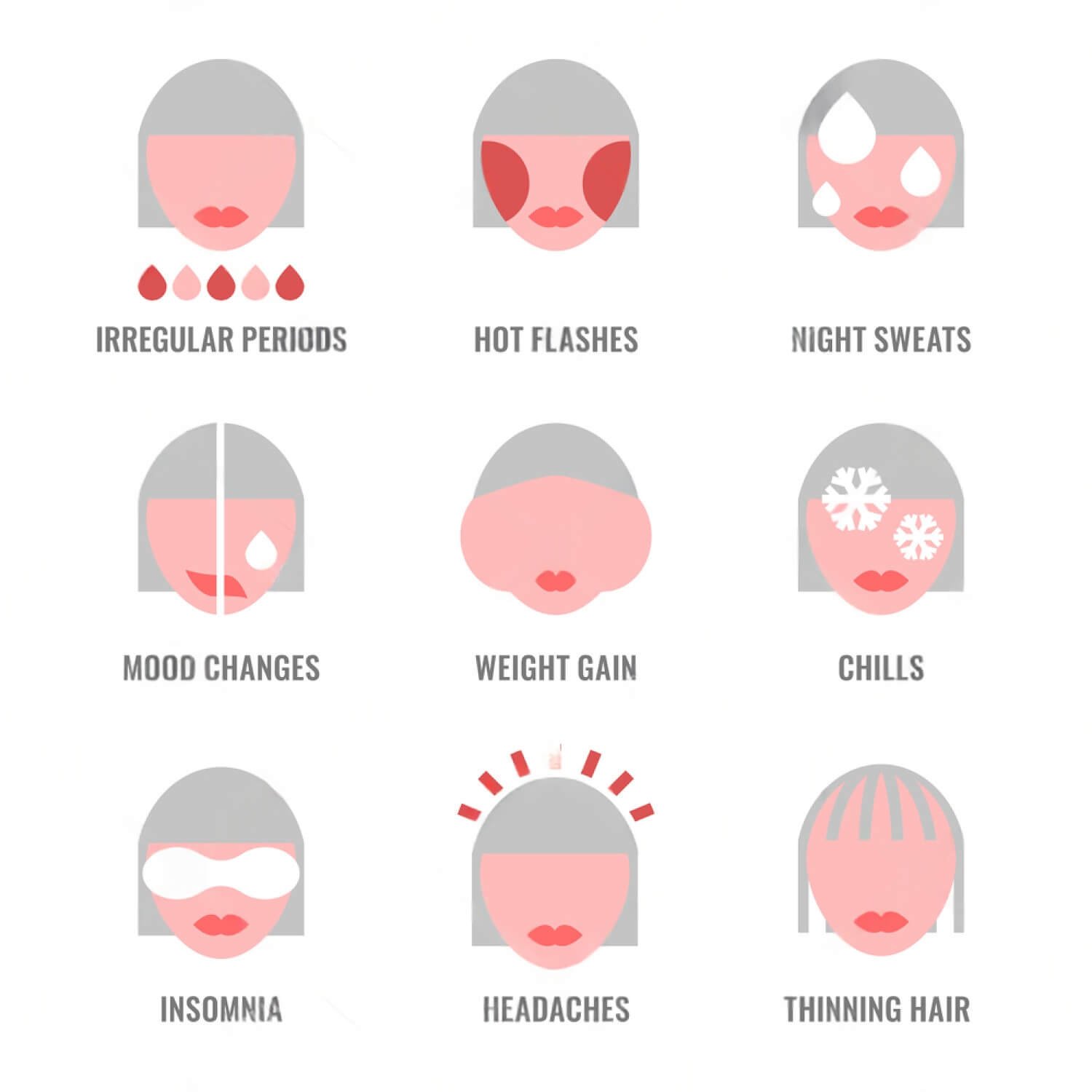
During menopause, many women experience distressing symptoms, such as:
-
Hot flashes
-
Mood changes
-
Sleep disturbances
-
Recurrent urogenital infections
At the same time, important metabolic changes occur, including:
-
Increase in body weight
-
Insulin resistance
-
Disturbances in glucose and lipid metabolism
These changes increase the risk of developing:
-
Type 2 diabetes
-
Osteoporosis
-
Cardiovascular disease
-
Certain cancers
Because of this, obesity in menopause is not only a medical problem but also a social and economic issue.
In the United States, the incidence of obesity among women before menopause is around 65%, while after menopause it rises to almost 74%. This makes weight management during this period a key health priority.
🧬 The Role of Oestrogen in Fat Distribution
Before menopause, oestrogens play an important role in how fat is stored in the body. In pre-menopausal women, oestrogen tends to promote fat storage in the gluteal and femoral regions (hips and thighs), primarily in the subcutaneous tissue.
At menopause, oestrogen levels drop rapidly. This hormonal change often leads to:
-
Overall increase in body weight
-
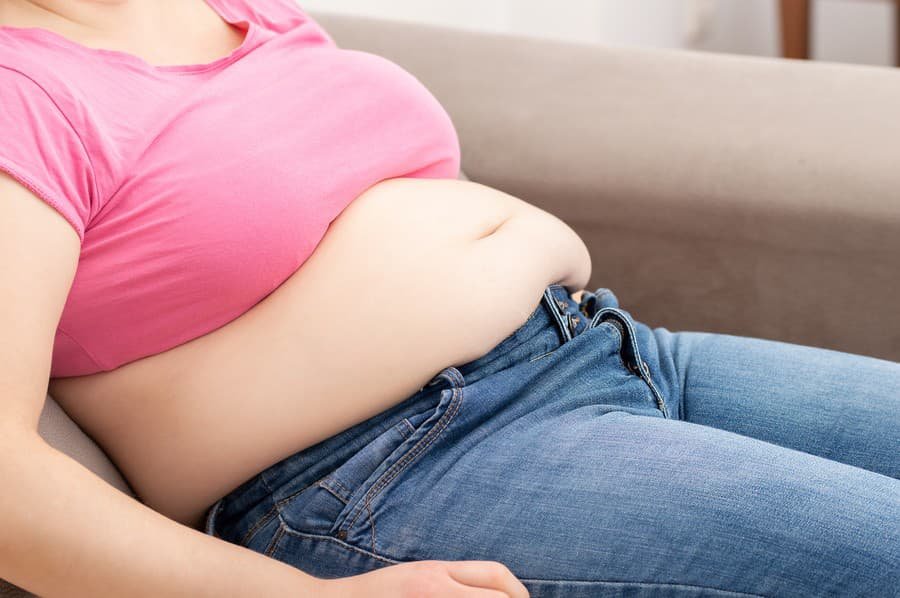
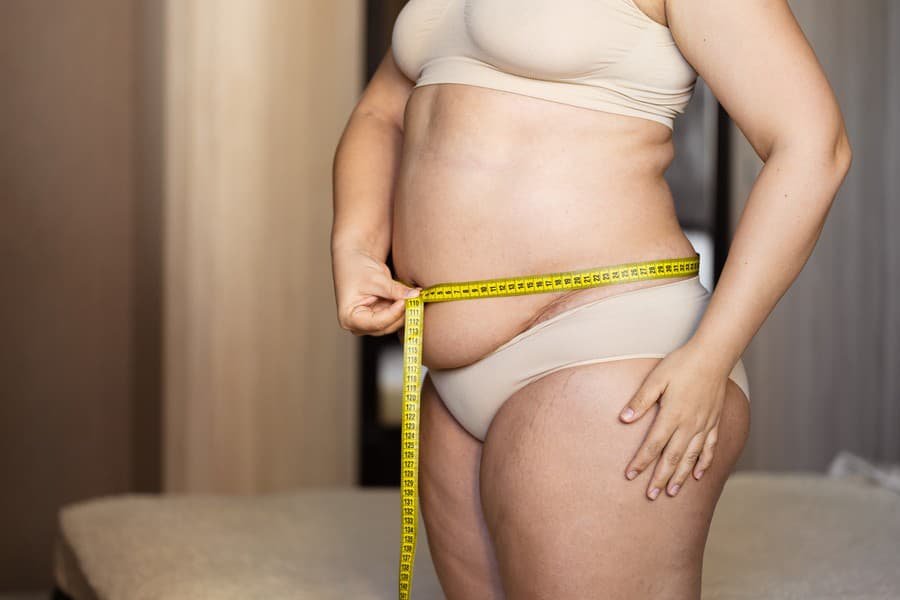
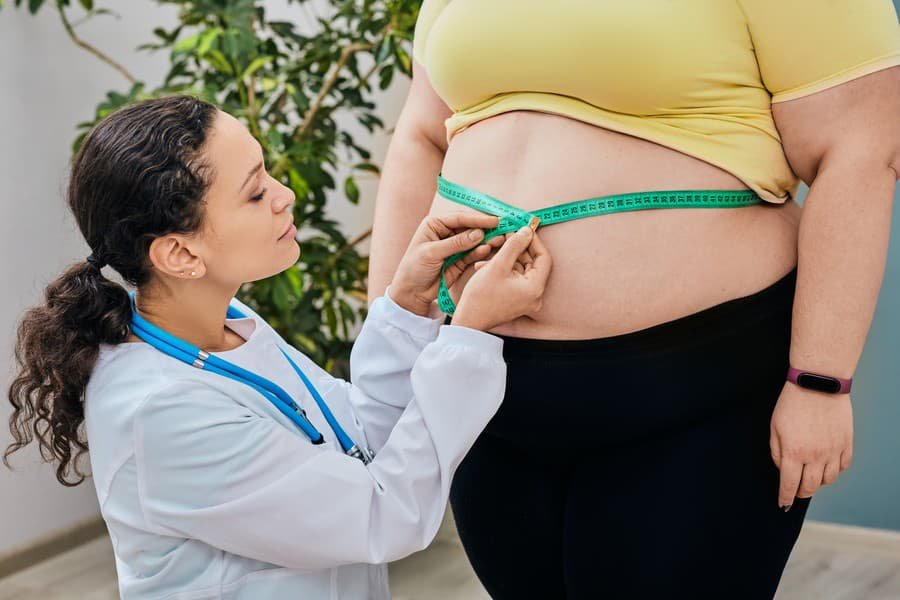
Shift from lower-body fat to central obesity (fat stored inside the abdominal cavity)
Studies estimate that postmenopausal women have an almost five-fold higher risk of developing abdominal obesity and associated diabetes compared to premenopausal women.
❗ Why Central Obesity Is So Dangerous
Central (abdominal) obesity is strongly associated with:
-
Type 2 diabetes
-
Dyslipidaemia (abnormal cholesterol levels)
-
Hypertension (high blood pressure)
-
Cardiovascular disease
Weight gain in midlife also contributes to an increased risk of:
-
Cancer
-
Arthritis
-
Mood disorders
-
Sexual dysfunction
This is why maintaining a healthy weight around menopause is about much more than appearance—it’s crucial for long-term health and quality of life.
🍽️ Do Oestrogens Affect Appetite?
Yes, oestrogens influence appetite regulation, and their decline at menopause can lead to increased hunger and weight gain.
Two key hormones involved are:
🧴 Leptin – The Satiety Hormone
-
Fat tissue, especially in people with obesity, produces leptin, a hormone that helps regulate appetite.
-
Leptin signals the brain to reduce hunger.
-
Oestrogens enhance leptin’s action, supporting appetite suppression.
When oestrogen levels fall during menopause, leptin’s appetite-suppressing effect becomes less efficient, which may contribute to increased appetite and overeating.
🍽️ Ghrelin – The Hunger Hormone
-
Ghrelin is a powerful hunger-stimulating hormone produced mainly in the stomach and also in the hypothalamus.
-
Oestrogens help partially block the action of ghrelin.
Before menopause, oestrogen therefore aids in reducing appetite. When oestrogen levels decline rapidly, this protective effect is reduced, leading to greater hunger and increased food intake.
⏳ Ageing, Muscle Loss, and Slower Metabolism
It’s not just hormones that contribute to weight gain during menopause. Ageing itself plays a significant role.
With age, women typically experience:
-
A decrease in lean body mass (especially muscle)
-
A natural decline in metabolic rate
-
A gradual reduction in physical activity
Because we lose muscle mass as we age:
-
We burn fewer calories at rest
-
We burn fewer calories during exercise
-
The body becomes more prone to storing fat tissue
This explains why you may start gaining weight even if you haven’t changed your usual diet or exercise routine.
💊 Menopausal Hormone Therapy and Obesity
When appropriate, menopausal hormone therapy (MHT) can be considered to manage bothersome symptoms such as:
-
Hot flashes
-
Sleep disturbances
-
Mood changes
However, it is important to note:
-
There is no evidence that hormone therapy is an effective treatment for obesity in postmenopausal women.
-
Hormonal therapy is not recommended for:
-
Prevention of chronic disease
-
Prevention or management of weight gain
-
Weight management during menopause should instead focus on:
-
Healthy, balanced nutrition
-
Regular physical activity
-
Management of underlying health conditions
⚠️ Is the Fear of Weight Gain Justified?
The fear of obesity associated with menopause is widely expressed among women—and it is understandable.
Observations confirm:
-
A high prevalence of weight gain in menopause
-
Increased risk of cardiovascular events, Type 2 diabetes, and certain cancers related to obesity
For this reason, it is essential to take proactive steps to protect your health during this period, including lifestyle changes, medical guidance, and regular health monitoring.
🩺 Professional Support for Weight Management
If you’re concerned about weight gain or health risks associated with menopause, seeking professional help can make a significant difference.
For more information about how you can be supported with your weight-loss and weight-management goals, please contact:

Surgery Gold Coast Clinic
DR JASON FREE BVSC (HONS), MBBS (QLD), FRACS
Specialist Bariatric Surgeon
📍 Suite 2, Pindara Professional Centre, 8–10 Carrara Street, Benowa
📞 Tel: 07 5564 6501
🌐 surgerygoldcoast.com.au
Taking action early can help you maintain a healthier weight, reduce disease risk, and improve your overall quality of life during and after menopause.